Road pricing — charging drivers for using specific roads or entering certain zones — has been part of UK motoring for over two decades, but 2026 brings important changes and the ongoing expansion of schemes that affect millions of drivers. Here’s a clear guide to what’s in place, what’s changing, and what may be coming.
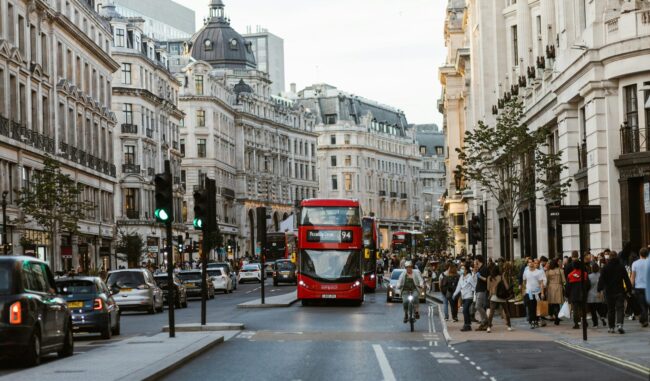
The London Congestion Charge
The original and largest road pricing scheme in the UK, the London Congestion Charge operates in a zone covering central London. The daily charge increased to £18 in 2024 and remains at that level in 2026.
The charge operates Monday to Sunday, 7am to 6pm (excluding bank holidays). Payment can be made online, via the TfL app, by phone, or at PayPoint outlets. The deadline for payment is midnight on the day of travel, though paying in advance or setting up auto-pay avoids the risk of forgetting.
Exemptions include zero-emission vehicles (though the threshold for what qualifies is periodically reviewed), blue badge holders in some circumstances, and residents of the zone who register for a discount. Military vehicles and certain emergency services are also exempt. The exemptions have been progressively tightened over the years — check the current TfL website for the exact position rather than relying on older information.
The London ULEZ
Separate from the Congestion Charge, the Ultra Low Emission Zone covers the whole of Greater London and operates 24 hours a day, 365 days a year (except Christmas Day). The charge for non-compliant cars is £12.50 per day.
Petrol cars must meet Euro 4 standards (broadly, registered after January 2006) to be exempt. Diesel cars must meet Euro 6 (broadly, registered after September 2015). Vehicles that don’t meet these standards are charged every time they enter Greater London.
The ULEZ is enforced by cameras and the charge is applied automatically to the registered keeper. If you drive a non-compliant vehicle into London regularly, the costs accumulate quickly — a daily commuter in a non-compliant car faces over £3,000 per year in ULEZ charges alone.
Clean Air Zones Outside London
Several other UK cities operate Clean Air Zones that charge non-compliant vehicles. Birmingham and Bath have the most established schemes for private cars. Bristol, Bradford, and Portsmouth have zones targeting commercial vehicles primarily. The vehicle standards required vary by city but broadly mirror the London ULEZ standards.
The national CAZ vehicle checker at gov.uk allows you to check whether your vehicle would be charged in Birmingham or Bath by entering your registration. Always check before travelling to an unfamiliar city.
Dartford Crossing
The Dartford Crossing — the road crossing of the Thames on the M25 — is not technically a congestion charge but a tolled crossing. Charges in 2026 are £2.50 for cars. Payment must be made by midnight on the day following the crossing, either online, by phone, or via the Dart Charge app. Cash payment at the crossing was removed years ago.
Non-payment results in a £70 penalty charge notice. The crossing uses number plate recognition and there are no toll booths — every crossing generates an automatic record.
What’s Coming: Broader Road Pricing
The question of a national road pricing scheme — charging drivers per mile for road use rather than through fuel duty — has been discussed in UK policy circles for decades and has become more pressing as EV uptake reduces fuel duty revenue. The government has not committed to a national scheme, but the direction of travel is clearly toward usage-based charging as the vehicle fleet electrifies.
Any national scheme is likely many years away from implementation. The immediate practical concern for most drivers is the existing and expanding network of urban clean air zones and congestion charging areas, which are already affecting millions of journeys.
How to Check Before You Travel
The most reliable sources for current information are:
For London: tfl.gov.uk for both the Congestion Charge and ULEZ, with a registration lookup tool. For other cities: the gov.uk CAZ vehicle checker covers Bath and Birmingham. For city-specific schemes: the relevant council websites. For Dartford: the Dart Charge website or app.
Checking takes two minutes and avoids the unpleasant surprise of a penalty notice arriving weeks after a journey. Vehicle exemption status can also change when a car changes hands, so check after buying a used car rather than assuming the previous owner’s status applies to you.
Penalty Notices
Failing to pay a congestion charge or clean air zone charge results in a Penalty Charge Notice — typically £160 for the ULEZ (reduced to £80 if paid within 14 days), and similar amounts for other schemes. These PCNs are issued to the registered keeper and are legally enforceable. Ignoring them leads to escalating charges and, ultimately, debt collection action.
If you receive a PCN for a journey you didn’t make — because your vehicle was cloned, for example, or because of a genuine error — the appeals process for each scheme is well-established and worth using with supporting evidence.
Leave a Reply