Each year brings adjustments to motoring law and regulation in the UK, and 2026 is no exception. Some changes are significant for everyday drivers; others affect specific vehicle types or situations. Here’s a summary of what’s new or changing in 2026.
Electric Vehicles Now Pay Road Tax
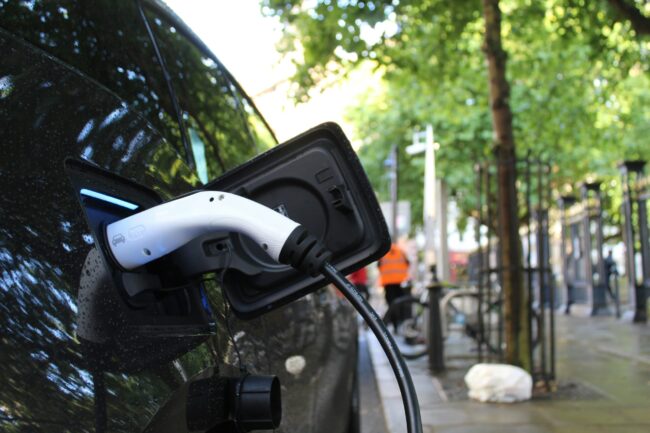
The most widely discussed change is the end of the Vehicle Excise Duty exemption for zero-emission vehicles. From April 2025, EVs became subject to VED for the first time, and from April 2026 the full standard rates apply.
Zero-emission cars registered on or after 1 April 2017 pay the standard rate — currently £195 per year. EVs with a list price over £40,000 also pay the expensive car supplement (£620 per year) for the first five years. This represents a significant change for EV owners who factored the exemption into their running cost calculations, though the overall tax burden remains modest relative to petrol and diesel equivalents.
Seatbelt Law Changes
New rules around seatbelt enforcement came into force in 2026, increasing the penalties for non-compliance. Drivers caught without a seatbelt — or with passengers not wearing one — now face three penalty points instead of the previous fixed penalty. The driver is fully responsible for ensuring all passengers are properly belted before setting off, including adult rear passengers.
This is a meaningful increase in consequences. Three points for a single seatbelt offence bring the penalty into line with other road safety offences and will affect insurance premiums.
Fuel Duty: The End of the 5p Discount
The 5p per litre fuel duty cut introduced in March 2022 in response to the cost-of-living crisis is scheduled to end in September 2026. When it does, petrol and diesel prices are expected to rise by around 5p per litre at the pump — adding approximately £3–£4 to a typical fill-up.
This isn’t a new tax but the reversal of a temporary reduction. Drivers who have adjusted their fuel budgets to the discounted rate should factor the increase back in from autumn 2026.
ZEV Mandate Targets Tighten
The Zero Emission Vehicle mandate requires car manufacturers to ensure a growing proportion of their new UK car sales are zero-emission. The percentage targets increase year on year, and 2026 sees a further step up. Manufacturers that miss their targets face significant fines, which creates incentive to discount EVs to drive volume — potentially good news for buyers looking at new electric cars.
The mandate continues to shape the new car market and is one of the reasons why EV list prices have been falling: manufacturers need the sales volume to meet their obligations.
Smart Motorway Changes
The government’s position on All Lane Running (ALR) smart motorways has firmed up further in 2026. No new ALR motorways are being built, and the programme to assess existing sections for hard shoulder restoration continues, albeit slowly. The rollout of Stopped Vehicle Detection technology across existing ALR sections has been progressed as an interim safety measure.
For drivers, the practical upshot is that ALR smart motorways remain in operation but the safety infrastructure supporting them is being improved. Red X signs remain legally enforceable and increasingly camera-enforced.
Company Car Tax Increases
Benefit in Kind (BIK) rates for company cars have risen in 2026. For electric company cars, the rate has increased from 3% to 4% — still substantially lower than internal combustion equivalents, which face rates up to 37% depending on emissions. For drivers choosing a company car, the continuing differential between EV and ICE BIK rates makes electric options significantly more attractive from a personal tax perspective.
London Driving Zone Changes
The London Congestion Charge remains at £18 per day, and the ULEZ continues to cover all of Greater London at £12.50 per day for non-compliant vehicles. The ULEZ scrappage scheme that previously helped some London residents upgrade non-compliant vehicles has had its funding exhausted — new applications are no longer being accepted as of 2025.
Driving Licence Renewal
A reminder rather than a change, but worth highlighting: photocard driving licences must be renewed every ten years for photo update purposes. The expiry date is on the front of the card. Driving with an expired photocard licence is technically an offence, though the licence itself remains valid for driving if the medical standards are still met. The DVLA sends reminders, but it’s worth checking your expiry date.
What Hasn’t Changed
Speed limits, drink drive limits, mobile phone laws (hands-free use remains legal; handheld remains illegal), and the MOT test requirements are all unchanged in 2026. Despite periodic calls to raise the 70mph motorway limit, no change has been legislated.
The broad direction of UK motoring regulation continues to favour emission reduction, safety improvements, and a gradual shift toward electric vehicles — a direction that seems unlikely to reverse regardless of which party holds government.
Leave a Reply