Charging cost is the question that every prospective and new EV owner wants answered — and the honest answer is that it varies considerably depending on where you charge, when you charge, and your energy tariff. Here’s a clear breakdown of what you can actually expect to pay in 2026.
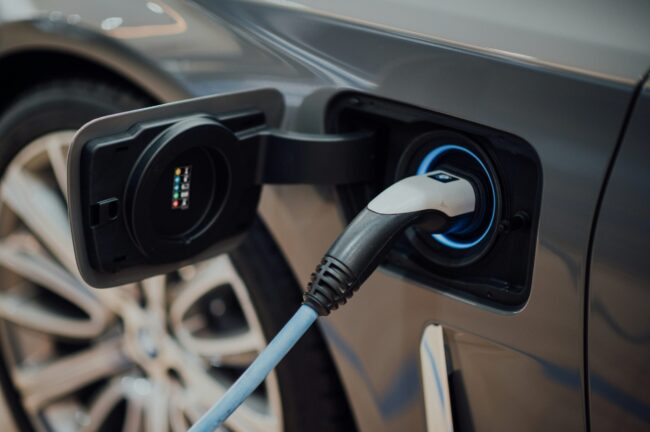
Home Charging: The Cheapest Option
For most EV owners, home charging is the primary and cheapest way to keep the battery topped up. You charge overnight, wake up to a full battery, and pay your home electricity rate.
The standard domestic electricity rate in the UK in 2026 is around 24–25p per kWh on a typical tariff. A mid-size EV with a 60kWh battery costs around £14–£15 to charge from empty to full at this rate. For most drivers covering 8,000–10,000 miles per year, this works out to roughly £500–£600 per year in charging costs — considerably less than the equivalent in petrol or diesel.
EV-specific energy tariffs can reduce this further. Several suppliers offer overnight rates specifically for EV charging — often 7p–10p per kWh during off-peak hours (typically midnight to 5am). On a 7p rate, a 60kWh charge costs around £4.20. For high-mileage drivers who charge primarily overnight, the annual saving over a standard tariff is meaningful.
A home EV charger (also called a wallbox) is the practical solution for home charging. These typically deliver 7kW of charging power, adding around 30 miles of range per hour of charging. Installation costs £500–£1,000, though government grants may be available to reduce this.
Public Charging: More Expensive and Variable
Public charging costs vary significantly by network, location, and charging speed.
Slow and fast chargers (3kW–22kW) are found in car parks, supermarkets, and on-street locations. Costs range from free (some supermarkets and local authorities still offer free slow charging) to around 50–70p per kWh at paid locations. These are primarily useful for topping up during shopping trips or parking stops rather than rapid recharging.
Rapid chargers (50kW–150kW) are the workhorses of the public network, found at service stations and dedicated charging hubs. Costs typically run from 60p to 85p per kWh in 2026. A 30-minute rapid charge adding 100 miles of range might cost £12–£18 depending on the charger and network.
Ultra-rapid chargers (150kW+) charge at the highest speed but carry premium pricing — often 80p–£1.00 per kWh at Tesla Superchargers and similar premium networks. A 20-minute charge adding 150 miles might cost £18–£25.
The True Cost Per Mile
Combining home and public charging in realistic proportions, most EV drivers in the UK pay between 4p and 8p per mile in energy costs — compared with 14p–18p per mile for a typical petrol or diesel car at current fuel prices. The saving is real and significant for most drivers.
Drivers who rely heavily on public rapid charging — because they have no home charger — face considerably higher energy costs, and the saving over petrol narrows considerably in these cases.
Comparing Charging Networks
The UK public charging network has grown significantly and continues to expand. Major networks include BP Pulse, Pod Point, Osprey, GeniePoint, and Tesla Supercharger (now open to non-Tesla vehicles on many sites). Pricing structures vary — some charge per kWh, others per minute, others use a combination.
Several networks require a membership or subscription for the best rates. A monthly subscription of £7–£10 can reduce per-kWh rates by 10–20p on some networks, which is worthwhile for regular users.
The Zap-Map app provides real-time availability and pricing for public chargers across the UK and is the most widely used tool for finding and comparing charge points.
Charging at Work
Workplace charging — where your employer provides charge points — is effectively free or highly subsidised for many employees. HMRC allows employers to provide charging facilities tax-free, making it an attractive employee benefit. If your employer offers workplace charging, using it reduces your overall charging costs significantly.
What About the New Per-Mile Road Tax for EVs?
From April 2028, the government plans to introduce an eVED per-mile charge for electric vehicles — 3p per mile for full EVs and 1.5p per mile for plug-in hybrids. For an EV covering 10,000 miles per year, this adds £300 annually. This isn’t a charging cost but is worth factoring into running cost comparisons, as it narrows (but doesn’t eliminate) the cost advantage over petrol.
The Bottom Line
If you can charge at home, the economics of EV ownership are compelling. A driver covering 10,000 miles annually on an overnight tariff of 10p per kWh pays around £200–£250 per year in energy costs. At public rapid chargers, that same mileage costs £700–£900. The infrastructure decision — whether you can charge at home — is the most important factor in whether EV running costs genuinely work in your favour.
Leave a Reply