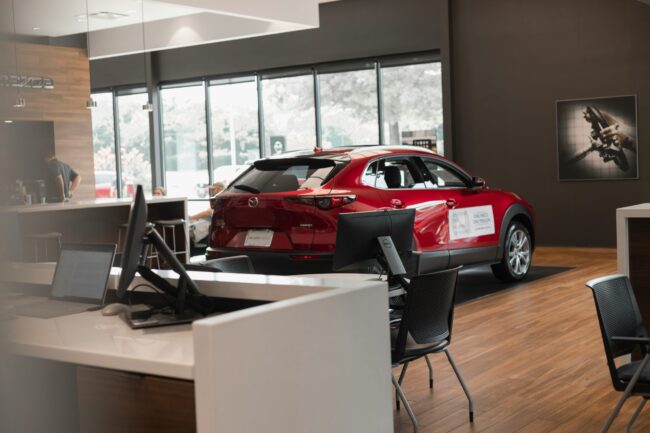
Buying a new car at the list price is optional. The sticker price in a brochure or on a manufacturer’s website is a starting point, not a final figure, and dealerships — operating on manufacturer targets, quarterly bonuses, and margin they can choose to pass on — have more flexibility than they typically volunteer. Here’s how to approach the negotiation intelligently.
Do Your Research First
The single most effective thing you can do before setting foot in a showroom is to know the market thoroughly. What does the car cost at list? What’s it available for via broker sites — What Car?, Carwow, Drive the Deal — which aggregate dealer offers and consistently produce prices below list? What are dealers advertising online for the same car?
Broker sites in particular have changed the dynamics of new car buying significantly. They operate by presenting your inquiry to multiple dealers simultaneously and taking the best price, which means you can quickly establish a genuine market rate for almost any new car without any negotiation. This figure becomes your floor — the price you know is achievable before you’ve said a word.
Timing Matters
Dealers operate on quarterly targets set by manufacturers. The end of March, June, September, and December — particularly the two plate-change months of March and September — are when dealers are most motivated to hit volume targets and will accept lower margins to do so. A deal offered in the last week of a quarter that might be refused in the first week of the next one is a real phenomenon.
End of model year is another productive time to buy. When a new model or facelift is imminent, dealers need to clear outgoing stock and will price accordingly. This requires some patience and advance knowledge, but the discounts on outgoing models can be significant.
Separate the Negotiation Elements
New car transactions involve multiple financial elements: the price of the new car, the value of your part-exchange, the finance rate (if you’re financing), and any add-ons like paint protection, GAP insurance, or extended warranty. Dealers make margin on all of these, and they’ll sometimes use one to obscure another.
The most common approach is to offer an apparently generous part-exchange valuation while giving less on the car price, or vice versa. To avoid confusion, establish each element separately. Get an independent part-exchange valuation first — We Buy Any Car, Motorway, and similar services will give you a quick cash offer that represents a genuine floor value for your car.
If you’re financing, establish the finance rate independently too. Manufacturer finance deals can be excellent — 0% offers appear regularly on slow-selling models — but in other cases a personal loan from your bank or a comparison site may be cheaper than the dealership’s finance package.
Be Willing to Walk Away
This is the most important negotiating principle and the hardest to execute. A salesperson who believes you’ll buy today regardless of price has no reason to offer their best deal. A buyer who is genuinely prepared to leave — and demonstrates this credibly — is a different negotiating proposition entirely.
Making clear that you’re comparing multiple dealers, that you have a specific price in mind, and that you’re not in a hurry creates the conditions for a better deal. Phrases like “what’s the best you can do?” tend to produce less movement than stating a specific target price and asking whether it’s achievable.
New vs Nearly New
It’s worth asking whether a new car is actually the right purchase at all. Nearly new cars — ex-demonstrators, pre-registered vehicles, or one-to-six-month-old cars with low delivery mileage — can offer significant savings against new list price while retaining most or all of the manufacturer warranty. Dealers are often motivated to sell these cars and will negotiate on them as readily as new stock.
Pre-registered vehicles — cars that a dealer has registered in their own name to hit a manufacturer volume target — are technically used cars but may have zero or very low mileage. They’re sold at a discount to list and represent some of the best value available in the new car market.
The Add-Ons to Be Cautious About
Dealership profit margins on accessories and financial add-ons are typically higher than on the car itself. Paint protection films and ceramic coatings offered by dealers are almost always available more cheaply from an independent specialist. GAP insurance — which covers the difference between your insurer’s settlement and the outstanding finance if the car is written off — is a legitimate and useful product, but the dealership price is typically two to three times the cost of the same cover from an independent provider. Buy it independently, not at the point of sale.
Extended warranties from manufacturers can be worth considering, particularly on complex or historically less reliable models, but compare the terms carefully with third-party warranty providers before committing.
The Final Word
New car buying is a negotiation, and the dealer does it professionally every day. That doesn’t mean you can’t come out with a good deal — it means preparation and a clear sense of your target price are more valuable than any in-the-moment tactics. Know what the car is worth before you sit down, be willing to leave if the price isn’t right, and treat each element of the transaction separately. The savings available to a well-prepared buyer are real and worth the effort.
Leave a Reply