Diesel engines have powered British cars for decades, and despite the political headwinds facing the technology, there are still millions of diesel vehicles on UK roads. They can be genuinely excellent — efficient, torquey, and long-lived when properly maintained. But they also come with a well-documented set of failure points that every diesel owner should understand. Here’s a straightforward look at the most common problems affecting popular diesel engines, and what you can do about them.
DPF: The Diesel Particulate Filter Problem
If there’s one issue that dominates conversations about modern diesels, it’s the Diesel Particulate Filter. The DPF is designed to capture soot from exhaust gases and periodically burn it off through a process called regeneration. The problem is that regeneration requires the engine to reach and sustain a certain temperature — typically achieved on longer motorway runs.
If your diesel is used predominantly for short journeys around town, the DPF never gets hot enough to regenerate properly. Soot accumulates, the filter blocks, and you’re looking at a warning light, reduced performance, and ultimately a costly repair or replacement. DPF replacement on popular models can run from £500 to well over £1,500 including labour.
The fix isn’t always a new DPF. A forced regeneration (where a garage uses diagnostic software to trigger the process), a professional clean, or simply changing your driving habits can all help. But prevention is far better than cure — if your car is used mainly for short trips, a diesel may not be the right tool for the job.
EGR Valve Failure
The Exhaust Gas Recirculation valve recirculates a portion of exhaust gases back into the engine to reduce nitrogen oxide emissions. Over time, it accumulates carbon deposits and can stick open, stick closed, or fail entirely.
Symptoms include rough idling, reduced power, increased fuel consumption, and the check engine light. EGR issues are particularly common on high-mileage Ford TDCi engines, Volkswagen Group TDI units, and various PSA (Peugeot/Citroën) HDi engines. Replacement valves typically cost between £150 and £400 fitted, though some owners opt for EGR blanking — a controversial approach that’s technically an emissions modification.
Injector Problems
Diesel injectors operate under extraordinary pressure and are precision-engineered components. They’re also wear items. Common rail diesel systems, which are now near-universal on modern diesel cars, operate at pressures that would have seemed remarkable twenty years ago, and the injectors that handle this are not immune to wear and failure.
Symptoms of failing injectors include rough running, smoke, poor fuel economy, and hard starting. Injector issues are well-documented on the BMW N47 engine (fitted to a wide range of 1 and 3 Series, as well as various MINI models), and on Ford’s 1.6 TDCi unit. Injector replacement is expensive — often £150–£300 per injector for parts alone — making a full set a significant bill.
Timing Chain and Belt Failures
The BMW N47 deserves special mention here as it has developed a notorious reputation for timing chain failure. The chain is positioned at the rear of the engine (an unusual design choice), making replacement a major labour job even before you account for parts. Chain failures on N47-powered cars — including the BMW 1 Series, 3 Series, X1, and various MINI Cooper D models — have resulted in engine destruction in some cases. If you’re buying an N47-powered car, check the service history carefully and budget for chain replacement if it hasn’t been done.
More broadly, timing belt replacement on any diesel is non-negotiable maintenance. Missing the interval — typically every 4–5 years or 40,000–60,000 miles depending on manufacturer — risks catastrophic engine damage.
Turbocharger Issues
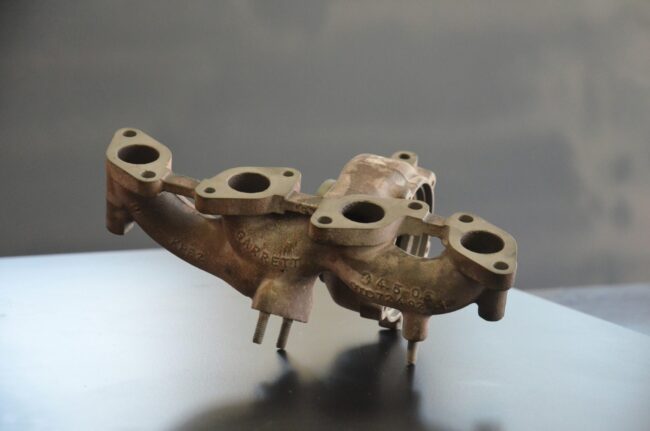
Turbos are standard equipment on virtually all diesel cars, and they do eventually wear out. Variable-geometry turbos, which are common on modern diesels to improve low-speed response, are more complex and more prone to failure than fixed-geometry units. Carbon buildup on the vanes can cause the turbo to stick and deliver inconsistent boost.
Symptoms include a lack of power above certain revs, excessive smoke, or a distinctive whine from the turbo. Turbo replacement is expensive — typically £600–£1,500 fitted for a standard unit, more for variable-geometry turbos on premium cars.
The most common cause of premature turbo failure is inadequate lubrication, usually the result of extended oil change intervals or low oil levels. Keeping on top of oil changes and allowing the engine to idle briefly before switching off after a hard run will extend turbo life significantly.
Swirl Flap Failures
Swirl flaps are small butterfly valves in the intake manifold, used to improve combustion efficiency at low speeds. On some engines — particularly earlier BMW and VAG diesel units — these flaps are prone to breaking up. When they do, the debris can be ingested into the engine with potentially catastrophic results.
Many owners of affected vehicles choose to remove the swirl flaps entirely as a precautionary measure, blanking the apertures with purpose-made plates. It’s a relatively inexpensive modification that eliminates the risk, and has become standard practice among diesel specialists working on these engines.
The Bottom Line
None of this means you should avoid diesel — millions of UK drivers cover high mileages in diesel cars without serious issue. But it does mean that due diligence matters. When buying a used diesel, check for DPF warning lights in the history, look for evidence of regular oil changes, and be particularly cautious about known problem engines like the BMW N47. A pre-purchase inspection by a qualified mechanic is money well spent. Running a diesel well isn’t complicated — regular servicing, appropriate use, and attention to warning signs will see most engines cover very high mileages reliably.
Leave a Reply