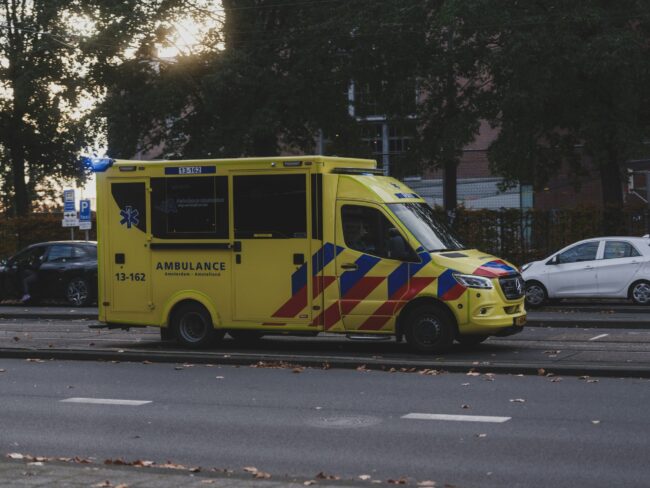
Nobody expects to be in a car accident. When it happens, the combination of shock, adrenaline, and uncertainty about what to do can lead to mistakes that cause problems further down the line — with insurance claims, with liability, or simply with your own wellbeing. Here’s a clear guide to the first 24 hours.
At the Scene: Immediate Priorities
The first moments after a collision have a clear priority order, even if they don’t feel that way.
Check for injuries. Before anything else — your own, your passengers’, and anyone in the other vehicle. If anyone is injured and needs emergency assistance, call 999 immediately. Don’t move an injured person unless there is an immediate danger (fire, for example) that makes staying put more dangerous.
Make the scene safe. If the vehicles are driveable and causing an obstruction, and it’s safe to do so, move them to the side of the road. Switch on hazard lights. On a motorway or high-speed road, get behind the barrier if possible — don’t stand between lanes or in live traffic.
Call the police if required. You are legally required to report an accident to the police if anyone has been injured, or if the other driver doesn’t stop or doesn’t provide their details. In other cases, police attendance is at your discretion, though they can be useful if the other driver is uncooperative.
What to Collect at the Scene
Once immediate safety is dealt with, gather as much information as you can. This is where many people fall short — the information you collect in the next fifteen minutes can make or break a subsequent insurance claim.
Take photos of everything: both vehicles and all visible damage, the position of the vehicles before they’re moved, any skid marks or debris, the road conditions, any traffic signs or signals relevant to the incident, and the other vehicle’s number plate.
Get the other driver’s details: full name, address, phone number, and email. Their vehicle registration, make, and model. Their insurance company name and policy number — they are legally required to provide this if there’s been an injury. If there are witnesses, get their contact details too.
What not to say. Don’t apologise, don’t admit fault, and don’t make any statement about whose fault the accident was. Even a well-meaning “I’m so sorry, I didn’t see you” can be used as an admission of liability. Stick to factual exchanges only.
Reporting to Your Insurer
Contact your insurer as soon as practically possible — ideally the same day. Most policies require you to report any accident promptly, even if you’re not planning to make a claim and even if you don’t believe you were at fault. Failing to report can invalidate cover.
When you call, describe what happened factually and stick to what you know. Don’t speculate about fault. Provide the other driver’s details and any reference numbers from police if they attended.
If the other driver’s insurer contacts you directly, you don’t have to speak to them. You can direct them to your own insurer. Be particularly cautious about accepting any early settlement offer from a third-party insurer — these are often lower than a properly assessed claim would produce, and accepting precludes further claims.
Medical Attention
Even if you feel physically fine after an accident, see a GP or visit a minor injuries unit if there is any discomfort — particularly any neck, back, or head symptoms. Whiplash and soft tissue injuries frequently don’t present immediately; symptoms can take 24–48 hours to develop fully.
Seeing a medical professional promptly serves two purposes: it ensures your wellbeing, and it creates a record should you need to make a personal injury claim.
If the Other Driver Isn’t Insured
Uninsured drivers are an unfortunately common reality. If the other driver cannot or will not produce insurance details, note everything you can about them and their vehicle and report it to the police. The Motor Insurers’ Bureau (MIB) exists specifically to handle claims involving uninsured and untraced drivers — your own insurer can advise on the process.
Your Vehicle
If your car is undriveable, arrange recovery. Your insurer will typically have a 24-hour recovery line. Keep all receipts for any costs incurred — recovery, alternative transport, storage — as these may be recoverable.
If the vehicle is driveable but damaged, resist the urge to get it repaired immediately at the first garage you find. Your insurer will want to inspect the damage and will likely have approved repairers. Using an unapproved repairer without consent can cause complications with the claim.
The Day After
Write down a full account of what happened while it’s fresh. Include the time, location, weather and light conditions, what you were doing before the accident, and a precise description of how it happened as you experienced it. This is for your own record and should be factually accurate — don’t embellish.
Follow up with your insurer if you haven’t heard back. If there’s any possibility of personal injury, speak to a solicitor — many offer a free initial consultation for accident claims.
The 24-hour window after an accident is when decisions that matter most get made. Calm, methodical action in that period gives you the best possible position for everything that follows.
Leave a Reply