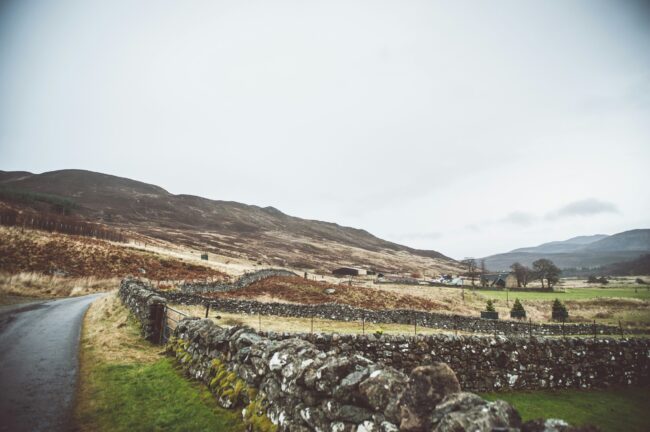
The North Coast 500 — a 516-mile loop around the northern Scottish Highlands starting and finishing at Inverness Castle — has become one of Europe’s most celebrated driving routes since it was formally established in 2015. A decade on, it has matured from a well-kept secret into a genuine bucket-list destination, and for good reason. Here’s what you need to know before you go.
What Makes It Special
The NC500 covers terrain that most UK drivers never see. From the dramatic sea cliffs of the north coast at Duncansby Head and Durness, to the haunting emptiness of Sutherland’s interior, to the distinctly different landscape of the west coast — loch-side roads, single-track passes, and the kind of mountain scenery that reminds you how large and varied this island actually is — the route offers an extraordinary diversity of driving environments within a single, manageable loop.
The roads themselves are a significant part of the appeal. Much of the route is single-track with passing places, which demands a particular kind of attentive, courteous driving that is its own reward. The A838 along the north coast, the Bealach na Bà pass in Applecross (the highest road in Scotland, and one of the steepest in the UK), and the roads around Torridon are among the finest driving roads in the country.
How Long Does It Take?
The NC500 is often described as a week-long route, and that’s the minimum if you want to do it justice. Five days is possible but rushed; seven to ten days allows proper exploration and the flexibility to stop when something catches your eye, which will happen frequently.
The temptation to treat it as a timed exercise — covering the miles as efficiently as possible — misses the point entirely. The value of the NC500 is in the stopping: the harbour at Ullapool, the beach at Achmelvich (which would be world-famous if it were in the Mediterranean), the distillery at Glenmorangie, the castle at Dunrobin.
The Route
The loop runs anti-clockwise from Inverness, following the east coast up through the Black Isle, Easter Ross, and past Dunrobin Castle into Caithness. The far north coast takes you through Thurso and west along the A838 — some of the most remote road in the UK — through Tongue and Durness. The west coast leg heads south through Ullapool, then continues down through Applecross and Torridon, before bringing you back to Inverness via Loch Carron and the Beauly Firth.
Both directions work, and there is no official recommendation. Anti-clockwise — east coast first, west coast last — is the more commonly favoured choice among those who have driven it, on the basis that the scenery builds as you go, with the dramatic west coast saved for the latter stages of the trip rather than experienced at the outset.
Practical Considerations
Fuel. Petrol stations are sparse in places, particularly on the north and west coasts. Fill up whenever you see a station rather than waiting until you need to. Some stations in remote areas are unmanned and card-only. If you’re driving an EV, research charging locations carefully before you go — provision is improving but is not yet comprehensive on all sections of the route.
Accommodation. Book well in advance, particularly for summer travel. The NC500’s popularity has made last-minute accommodation along the route difficult to find in peak season (June to August). Campsites, bothies, and wild camping (following Scottish Outdoor Access Code guidelines) are options for those with the equipment.
Single-track roads. If you haven’t driven single-track roads before, the protocol is straightforward: pull into a passing place (or reverse to one) to allow oncoming traffic to pass, and use passing places to allow faster vehicles behind you to overtake. The roads are generally well signed and the convention is well understood. Patience and courtesy are the only requirements.
Weather. Scotland’s west coast weather is famously changeable. A clear morning can become a wet afternoon within an hour. Pack for all conditions regardless of the forecast, and treat dramatic low cloud and rain as part of the experience — the landscapes in mist have their own appeal.
The Best Sections
If pressed to identify highlights, the Bealach na Bà deserves the hype — the ascent from Lochcarron to the Applecross plateau is genuinely dramatic, with hairpin bends and gradients that would be at home in the Alps. The descent to Applecross village, with its views across to the islands of Raasay and Skye, is one of the finest views from a road in the UK.
The far north coast between Tongue and Durness is arguably the most remote-feeling stretch — long miles with no services, extraordinary cliff and beach scenery, and the occasional sight of seals, red deer, or golden eagles that reminds you this landscape is not performing for your benefit.
Going in Shoulder Season
May and September offer the best combination of reasonable weather, longer daylight hours, and significantly reduced visitor numbers. The midges — the tiny biting insects that make summer evenings in the Scottish Highlands a different kind of experience — are also less ferocious in the shoulder months. October brings dramatic autumn colour and near-empty roads, at the cost of shorter days and less predictable weather.
The NC500 in winter is for the committed — some roads may be impassable, and services are reduced — but the reward is a landscape that few visitors ever see.
Worth It?
Unreservedly. The NC500 is a genuine road trip in a way that’s increasingly hard to find in a crowded island — long, varied, demanding enough to be engaging, and consistently beautiful. It requires planning but not expertise, and repays the effort with the kind of driving that stays with you.
Leave a Reply